Count future plants, not spare containers
Sketch the intended bed first. If your plan has six open positions, write down six as the eventual planting target, not as a prediction of germination. Leave room for losses without sowing an entire packet by default. For a first attempt, two named species in two separate containers are easier to track than an unlabelled collection of leftovers. This is a planning example, not a tested seed-to-plant ratio.
Give every batch a destination: the bed, a pot for further growth, or a recipient who has agreed to take surplus. A crowded doorstep is not a nursery plan. Use the mature spacing in Garden Plans rather than judging capacity from how small seedlings look in March. If there is no safe place to grow them on, buying a few plugs later may suit the space better.
Use autumn to prepare; check when the seed needs cold
University of Maryland Extension gives late November through January as its winter-stratification sowing window. It emphasizes that germination requirements differ among species and that emergence may be uneven. Use that regional window as a starting point, then read the exact seed lot's instructions for cold-moist treatment, light and sowing depth. Do not assume every native seed needs the same treatment.
In early autumn, organize the containers and labels instead of moving every seed packet outside immediately. On a one-page batch sheet, record the botanical name, source, treatment requirement, planned sowing date and planting destination. If a packet lacks instructions, obtain them before sowing. Dry storage in a refrigerator is not automatically the same operation as the cold-moist treatment requested for a particular seed.
Choose one container approach you can monitor
Maryland Extension describes an open-pot method using clean small pots and seed-starting mix; it also notes excessive-moisture and mold risks with enclosed containers. Its approach avoids a homemade lid, but still needs a stable location and protection from disturbance. Follow the linked procedure if you select it rather than borrowing isolated steps from a jug tutorial.
For the jug alternative, Minnesota Extension specifies clean translucent containers, bottom drainage and top ventilation, about three inches of moistened growing mix, packet-directed sowing depth and labels inside and outside. A jug cap is left off. Tape holds a cut jug together; it does not make an airtight chamber. Their instructions use potting mix, while Maryland's open-pot method calls for finer seed-starting mix. Choose a coherent method and a medium suitable for the seed size rather than treating those terms as identical.
A reused pot with drainage already present avoids cutting plastic. If preparing jugs, work on a stable surface, keep hands out of the blade path and keep sharp tools away from children. Do not use containers that held chemicals. This guide does not require new containers or powered tools.
Set up one reachable station
Dry-fit the containers before sowing. Can you read the labels, lift one without upsetting its neighbors, and inspect drainage without stepping into the planting? Keep the batch off the walking route and somewhere it cannot fall from a railing. A mesh nursery tray can organize small pots while letting water escape; do not leave it nested in a water-filled solid tray.
Use a separate durable label for every species and duplicate the information on your batch sheet. Label the container before opening the packet. If a label is lost, isolate the unknown batch rather than assigning an identity from memory. Keep the empty packet or a photograph of its directions so spring care does not depend on reconstructing what you did months earlier.
Plan the spring handoff before the first seedling
Minnesota Extension recommends checking moisture, adjusting ventilation and gradually opening enclosed containers as spring approaches. A jug is not a leave-it-sealed-until-May system. Inspect the growing medium as well as condensation, and respond to drying or trapped moisture instead of applying water on a fixed weekday. A sheltered spot may not receive the rain that reaches the rest of the garden.
Maryland's potting-on guidance uses true leaves and roughly one-to-two-inch seedlings as a working stage, with further growth before final planting. Do not move a crowded mat directly into the bed just because the calendar says spring. Prepare individual pots or cells, keep identities separate and wait for adequate roots. Ask for species-specific advice when seedlings are too small to handle safely.
- Nothing has emerged: compare the actual treatment and time elapsed with the seed instructions before discarding the batch.
- Only one species has emerged: manage that container separately rather than forcing every batch onto its schedule.
- More seedlings than space: use the prearranged surplus plan; do not crowd the permanent bed to avoid wasting seedlings.
Two candidates to research, not a mixed seed recipe
Keep species in separate containers. These examples appear in Extension winter-sowing guidance; that does not make their germination schedules or eventual garden conditions interchangeable.
Maryland Extension lists wild columbine for winter sowing and cautions that its small seedlings can be difficult to pot up. Reserve a work surface as well as a place to stand the container.
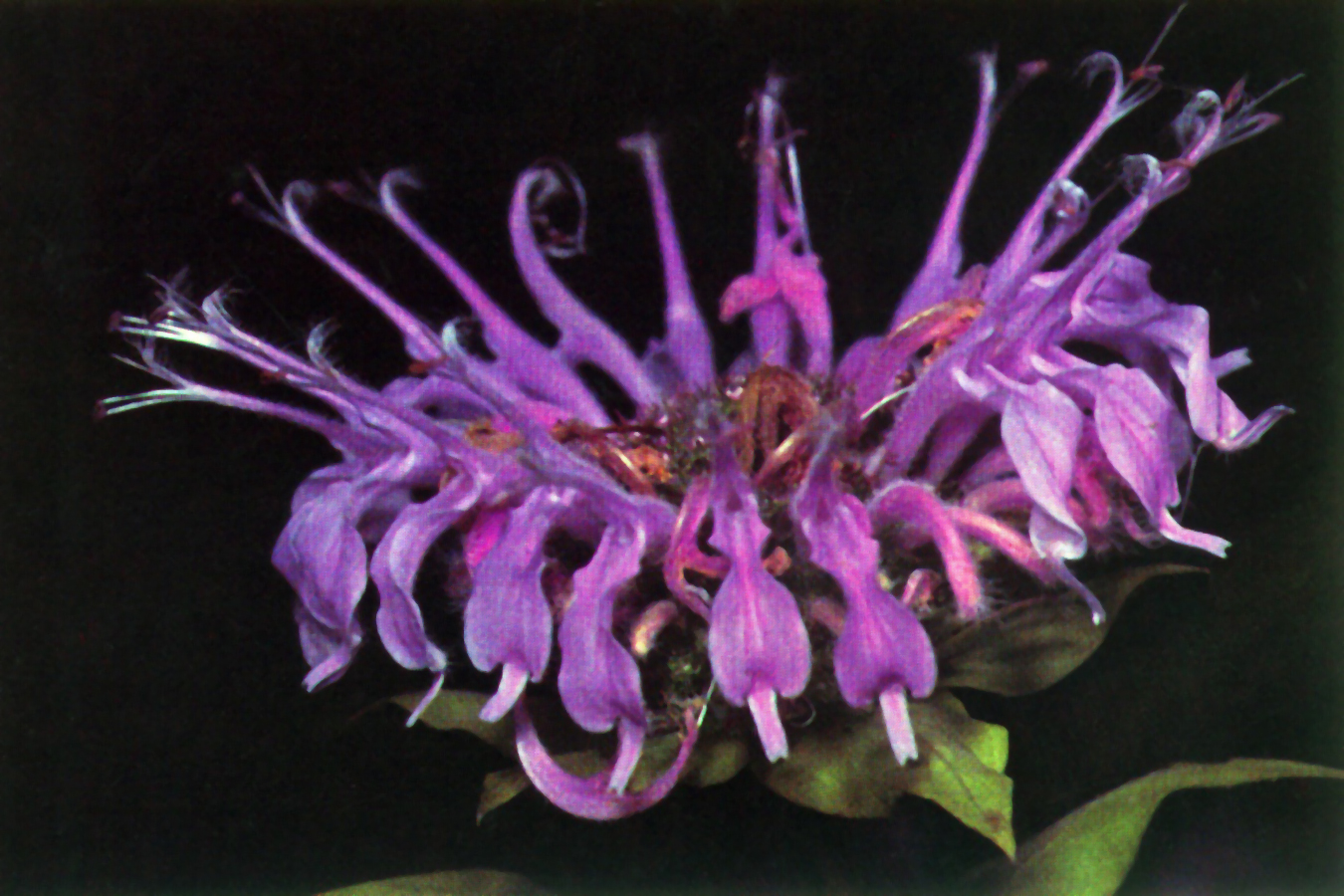
Minnesota Extension includes wild bergamot among winter-sowing candidates. Review the mature plant in our library before raising more than the bed can hold; this is not a promise of first-year bloom.
A practical sequence
Match two clearly identified batches to real garden space and confirm their treatment requirements.
Use a coherent open-pot or vented-container method, with drainage and redundant labels.
Monitor emergence and reserve the space and containers needed before planting out.
- This is a small-batch planning guide, not a universal germination protocol. Species and seed lots differ.
- Minnesota supplies container-method guidance here, not planting dates for the Mid-Atlantic.
- No germination rate, first-year flowering or personal trial result is claimed. Do not collect seed without permission.
Continue planning
- Collect and label garden seed: Use the separate harvest guide before starting propagation.
- Plan the planting-out window: Distinguish a germinated seed from a garden-ready plant.
- Use Plant Finder: Match the eventual plant to light and moisture conditions.
- Check Garden Plans: Count mature planting positions before deciding how much to sow.
- University of Maryland Extension — Collecting & Sowing Native Plant Seed (regional timing, open pots and potting on) ↗
- University of Minnesota Extension — Jug it and grow: winter sowing for pollinator gardens (vented-container method, not regional dates) ↗
Plant ranges and recommendations change as records improve. Read how we separate range, site fit, and design judgment in our sources and methodology.